Abigail Welborn
Menu
  • Home
  • Posts
Menu

Tag: NaNoWriMo

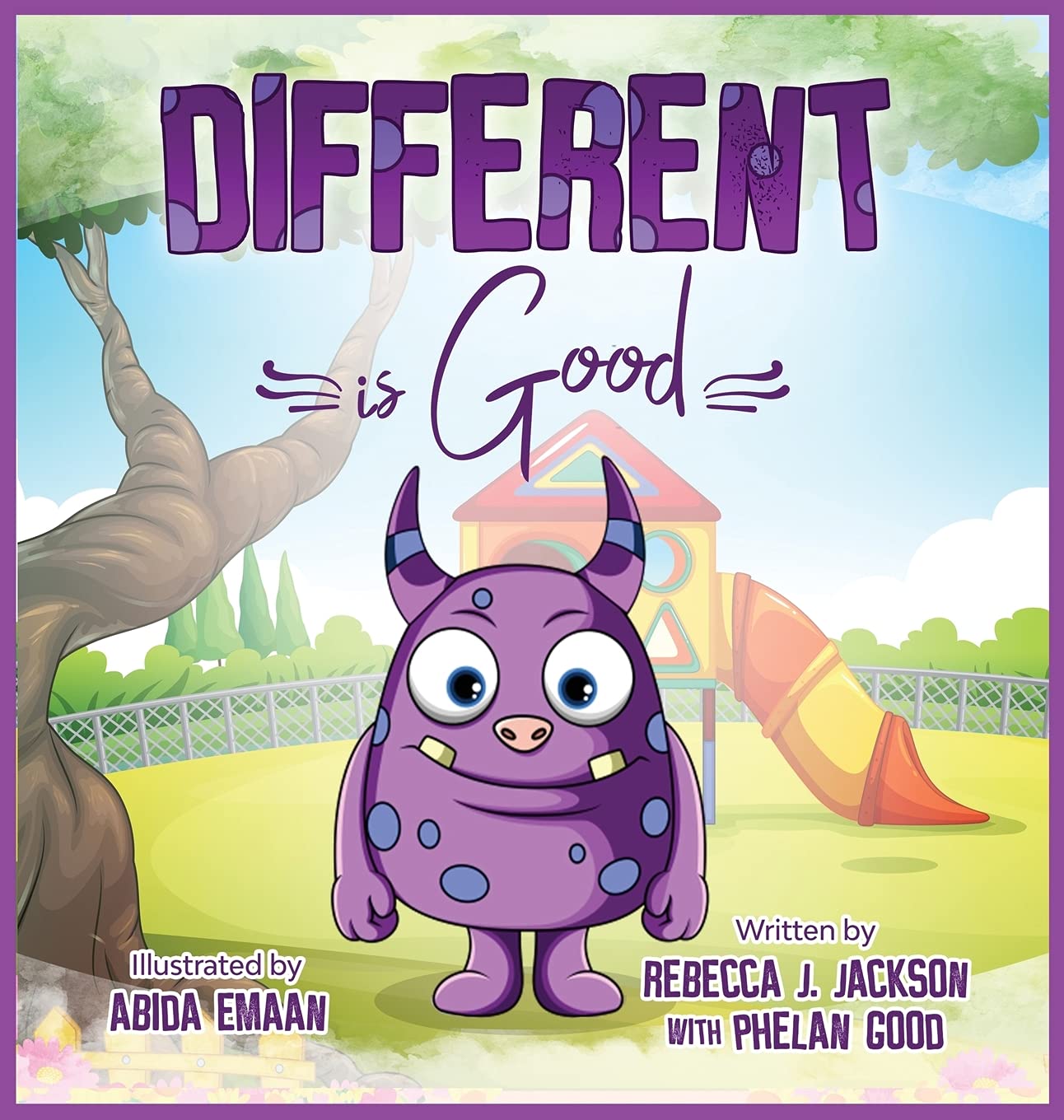
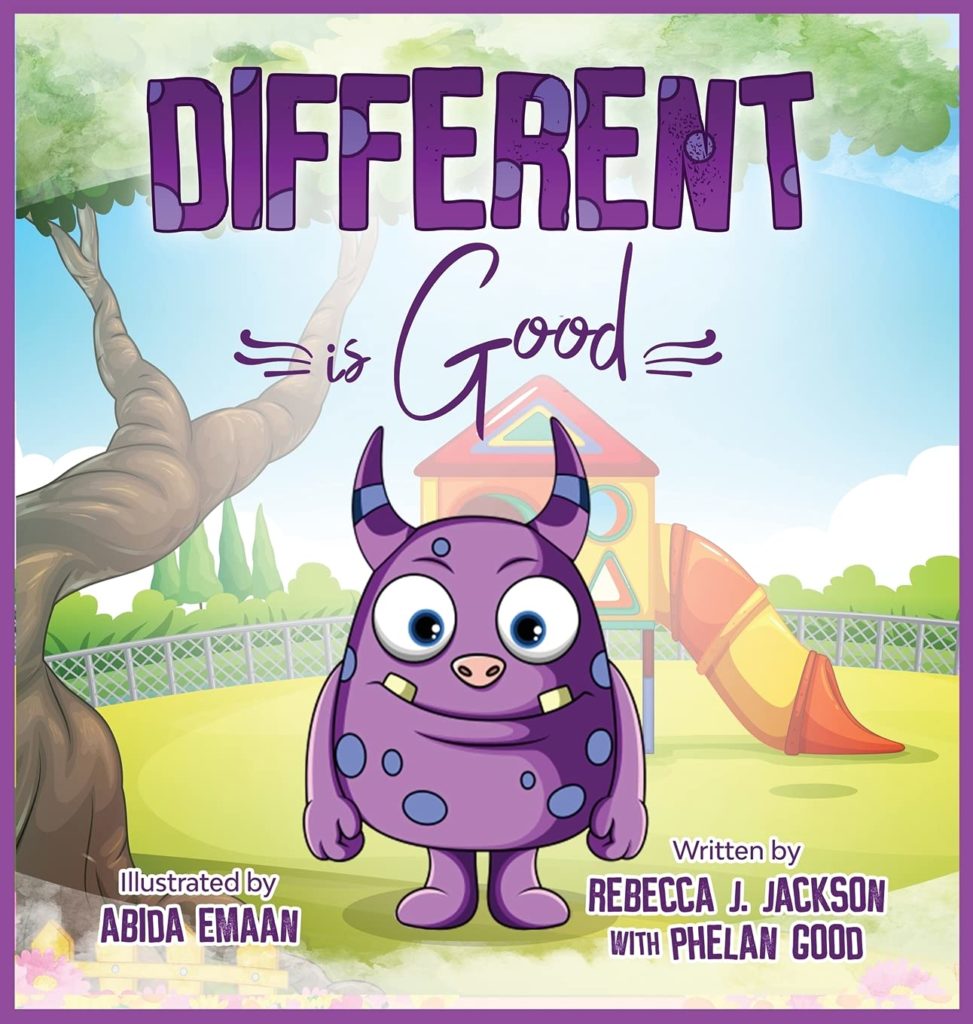
"Different is Good," the cover to a children's book by Phelan Good featuring a friendly horned purple monster.

Why We Need WNDB

Posted on November 17, 2023November 23, 2023 by Abigail Welborn

If you’re wondering why I’m campaigning for a charity that won’t benefit people equally, here’s your answer! Of course it’s still OK if you don’t agree, but I thought it was worth explaining.

Human beings are all predisposed to like people who are like them. Obviously we can and do overcome this predisposition all the time, but it’s extremely difficult for anyone to change their first reaction.

The example that I’ve used before was a re-org that happened at my tech job. It was an open secret that the organization’s structure would be changing, but they didn’t announce anything because they wanted to have the full org structure in place first. That might have been reasonable, except they ended up announcing a group of leaders that was 90% male. Mind you, the division only had 25% women in the first place, so I wouldn’t have expected more than 25% female leadership, but we got… 10%.

It’s not their fault that they came up with a chart that was 90% male at first. But they should have realized that they needed to go back and ask themselves hard questions about how they got there. This same company had previously lost a lawsuit because statistics showed that males disproportionately won the supposedly merit-based promotions, so they had no excuse for not being aware of the problem. Instead, they presented the chart to a 25% female room with a straight face and had no answer when I publicly asked (because of course I did) how they ended up so short of women.

The publishing industry in the US has always been majority white people. That’s only a problem when it’s a much higher percentage than the population, and even then, only because the books that get published disproportionately feature white characters written by white authors.

As just one startling example, in 2020, children’s books featured more animal or object main characters than non-white people. “The number of black, Asian or minority ethnic main characters in children’s books has increased to 5%, compared to 4% in 2018 and just 1% in 2017.” Five percent! And that was an improvement!

Agents and editors control the books that get published at major presses—which get most of the attention, shelf space, awards, etc. Like everyone, they naturally relate and gravitate to characters who are similar to them. Because art* is so subjective, it doesn’t feel intentional. After all, they turn down many white authors with white characters as well, for reasons of craft or “I just didn’t relate,” which are genuinely valid reasons for not buying or representing a book.

But then the books from minority authors get less publicity because of lower expectations and therefore aren’t easy to stumble across in libraries or bookstores. It’s a spiral of getting less attention, therefore selling less, therefore being viewed as less viable, therefore getting picked up less.

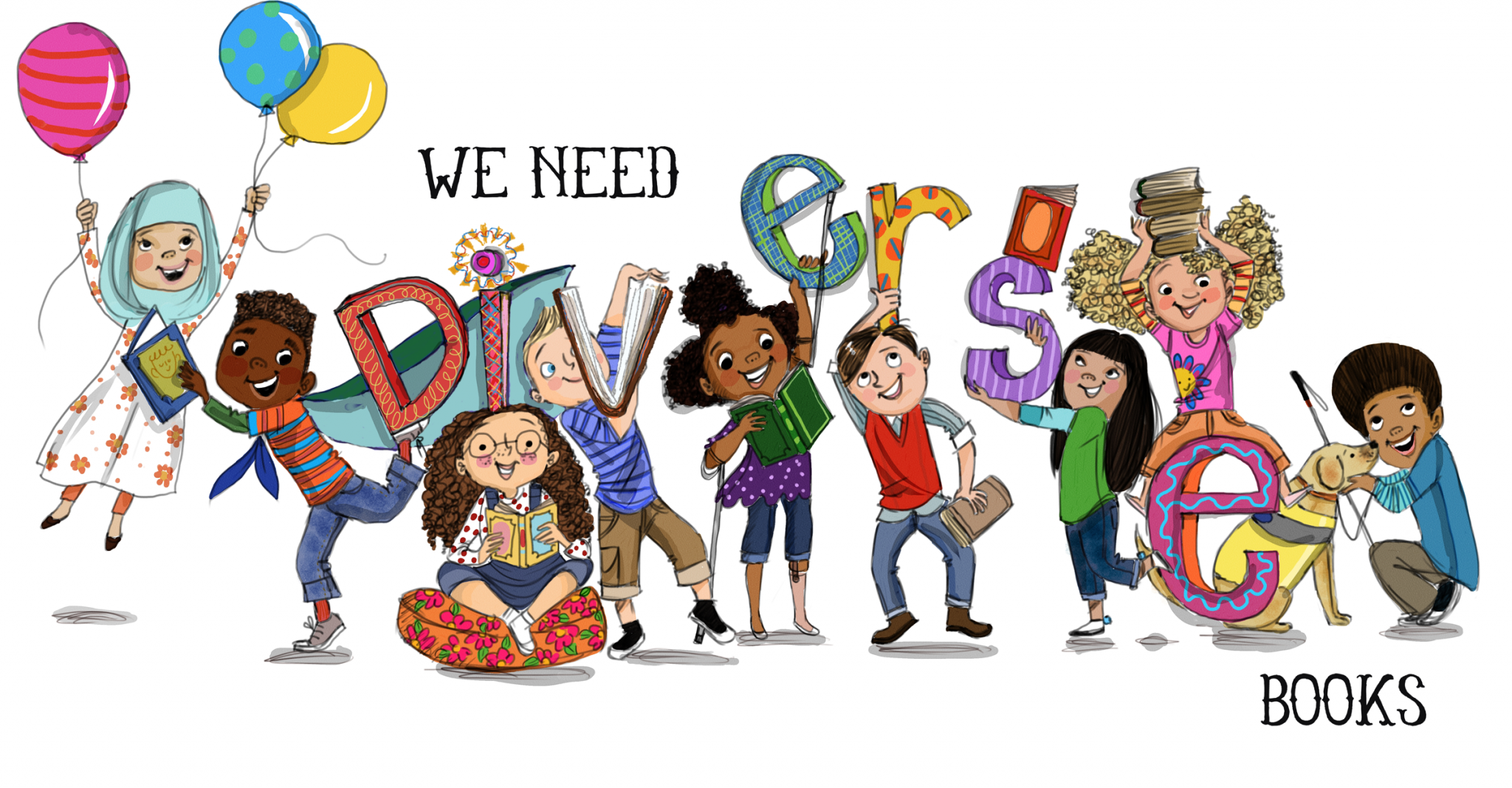
That’s why we need We Need Diverse Books.
Women had to literally take my company to court to get men to see (or admit) that their promotion program was flawed. The company also subsequently set up more programs to mentor early-career women to help the higher levels increase their proportion of women, because it was clear that without intentional intervention, they wouldn’t be able to overcome the inherent predisposition of the existing male leadership. That wasn’t giving women “special help,” they were giving women the same help that men were getting automatically because of the history of the company and profession.

WNDB offers mentorship, paid internships, advocacy, and information. They shed light on the inequities that don’t make sense. They provide the “extra” help as prospective authors, agents, and editors of color overcome the barriers to entry that white people don’t face because of the history of our country and the publishing industry.

I would bet that if the people making the decisions about my division’s re-org had been 25% female to begin with, they wouldn’t have ended up with the chart they did. Similarly, if we can get more people of color into all levels of publishing, the problem will more easily take care of itself. But they can’t unless we consciously try to get them there.

And that’s what WNDB does.

Donate to my fundraiser here!

*Jonathan Mayberry taught me that “writing is art, but publishing is the business of selling copies of art.”
What the world needs now

Posted on November 4, 2023November 23, 2023 by Abigail Welborn

Books are either windows or mirrors.

Characters in a book either reflect a reader’s life and personality, or they offer a window into a different mindset and experience. In fact, I would argue that all books are both, because no book is populated entirely by identical characters. Characters represent the reader to a certain extent and help the reader explore what isn’t the same.

Because readers literally share in the feelings of the point of view character, books are powerful tools for developing empathy in readers—a quality we desperately need more of in the world. However, two things need to happen for books to change the world.

First, books have to represent many different viewpoints. The best representation comes from authors who are writing about their own experiences—whether literally, in contemporary stories, or through the metaphor of speculative fiction. Obviously, since we don’t want books with entirely identical characters, every author also writes about people who differ from themselves in some way, but there’s no replacement for the authenticity of personal experience. All readers deserve to find books that reflect their lives.

Second, readers need access to those books after they get published. They need to be on shelves in stores, libraries, classrooms, book fairs. As an author who writes for teens, I care especially about books for kids. Books have to be easy for the kids who need mirrors to find them, and for kids to stumble upon them as windows. Of course not every book is for every reader—the point is to have them available.

In other words…

We Need Diverse Books is a charity that focuses on both those important steps. It supports authors from historically marginalized groups with grants, training, mentorships, and more. These authors face challenges getting traditionally published—that is, by the publishers that have the biggest presence in schools, libraries, and bookstores—or marketing their books from small, niche, or independent presses. WNDB also provides resources for authors and the public to combat book bans.

Donate Here!

For the last few years, I’ve been taking part in The Mighty Pens, a fundraiser that coincides with Nanowrimo. This year, we’re raising money for WNDB. If you donate through my page, you can help me win some cool author-related prizes, but more importantly, you’re helping to fill the world with stories of all kinds, for all people. And that’s love.

Why Maternal Health Matters to Me (#2)

Posted on November 21, 2020November 21, 2020 by Abigail Welborn

My second pregnancy was more challenging than the first, mainly because I already had a toddler! At 35 weeks, we learned baby was breech. I was a good candidate for a version, but he would not turn. (Also, the procedure is really painful.) So they scheduled me for a C-section.

But baby boy had other ideas! I went into labor a week after the attempted version, two weeks before my due date. Naturally, it was again late at night, and this time I hadn’t filled out any of the paperwork yet—plus they couldn’t reach my OB or the on-call doctor. My labor was progressing. Baby’s heart rate crashed once, and all of a sudden there were nurses calmly shouting codes that meant “get that oxygen over here, now!”  Fortunately, everything worked out. They did one more ultrasound to confirm baby was still breech, then walked me to the OR.

I knew I was in a fantastic hospital with experienced nurses, doctors, anesthesiologists, and specialists standing by, but getting up onto that operating table myself, knowing they were going to cut me open, is still one of the scariest things I’ve ever done. (I’ve had a low-trauma life, for which I’m grateful.)

He had quite a healthy cry but calmed down when we got to snuggle.

Now imagine you’re in labor and you know something’s wrong, but you don’t know why. Or you don’t have access to fetal heart rate monitors, portable ultrasound machines, or first0class operating rooms, so giving birth breech is a huge risk. Most births don’t require surgical intervention, but when it’s needed, it can be the difference between life and death. I want to improve every woman’s access to life-saving care. I hope you’ll join me in donating to Every Mother Counts!

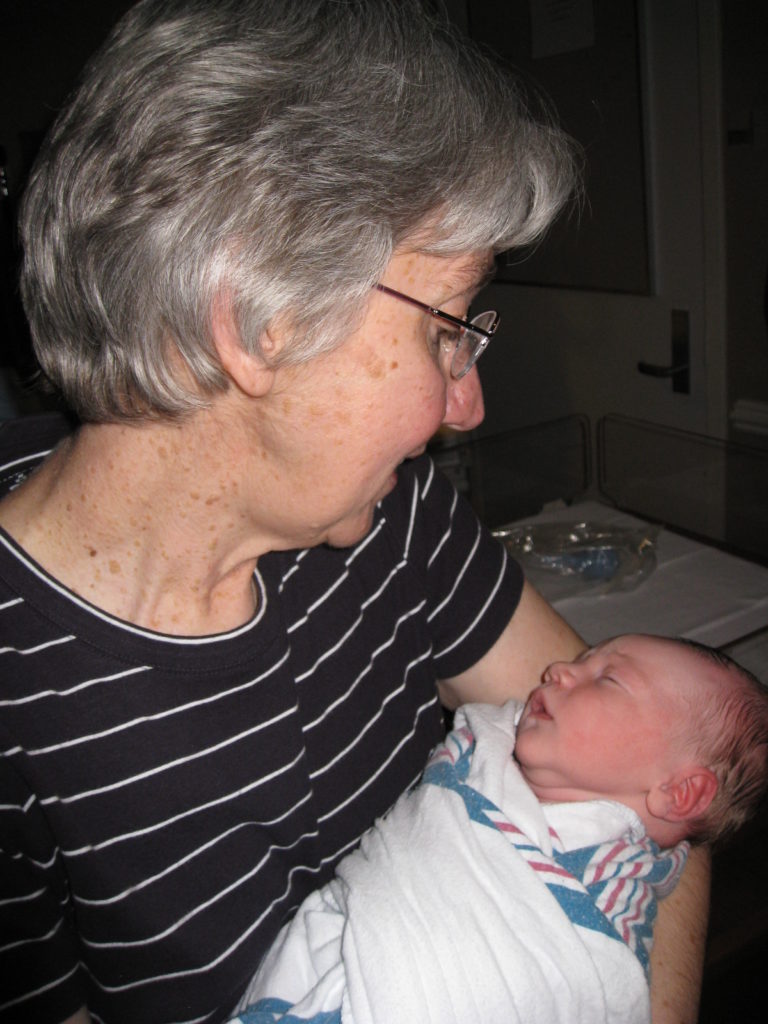
grandpa holding baby
Proud Grandpa!

Why Scrivener is great for Nanowrimo

Posted on November 11, 2020December 16, 2020 by Abigail Welborn

You might well have heard of Scrivener if you’ve been in the writing community for long. Before the current proliferation of online writing software, it was the go-to app (indeed, before people spoke of “apps” at all). It’s somewhat complicated, but you don’t need to use all the features to get a great benefit out of it. Here’s my top reasons to use it for Nano, only 11 days too late to be useful!

1. Full screen mode.

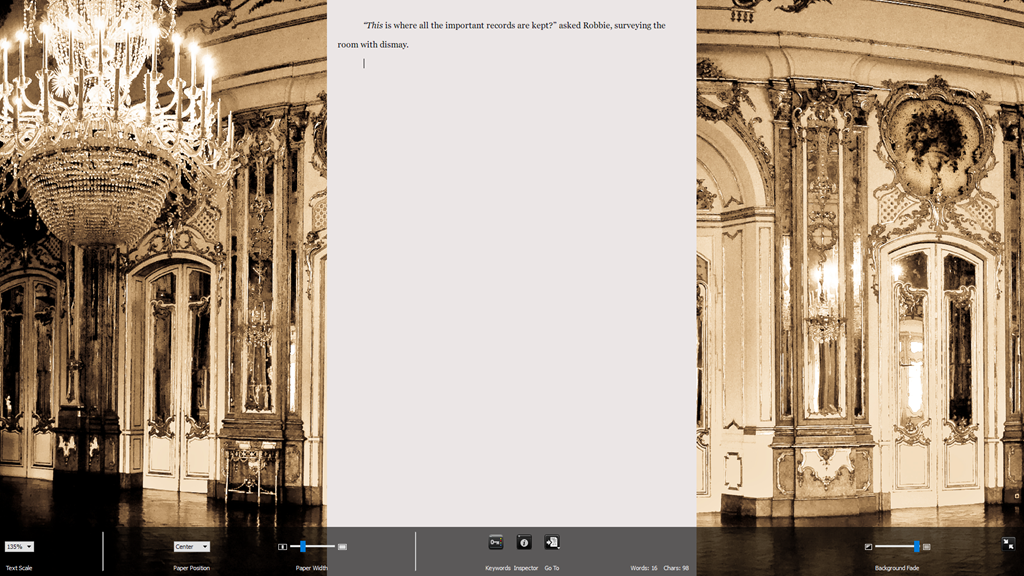
You can set a background for each project and write in focus mode—especially valuable when you’re trying to get down almost 2,000 words a day! For my current WIP, about a magic ballroom in Vienna, this is how it looks when I write:

focus mode

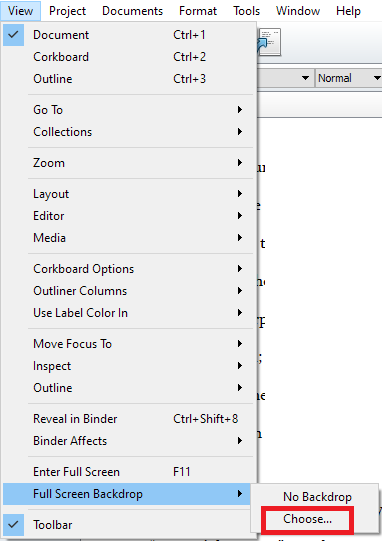
You can customize the size of the font, the width of the “paper,” and whether you use “typewriter” mode, which keeps your current line in the middle of the screen to save your neck. Here’s how to change it for the current project:

on Windows, View menu -> Full Screen Backdrop -> Choose…

2. Each scene is a document.

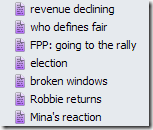
scenesWhen you “compile” (turn your project into another format, such as a Word document or ePub book), scene breaks (e.g., “* * *”) are automatically added between documents. For Nanowrimo, I wrote my first draft as unsorted scenes (see picture to the right).
3. Create chapters automatically

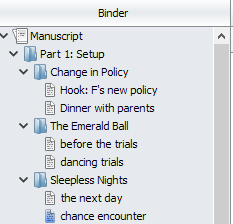
chaptersEach “document” in Scrivener is a scene, so each folder is a chapter. I write my scenes first, then reorder them according to Three-Act Structure, and then group them into chapters based on length and scene ending.

In the picture at left, “Part 1: Setup” is a note to myself that I leave out when I compile, but if you wanted to divide your book into parts or sections, you could include them. Then Chapter 1 is automatically created and titled with the name of the folder (you can specify the format, but for manuscripts I use “Chapter 1: Change in Policy”).

4. Snapshots

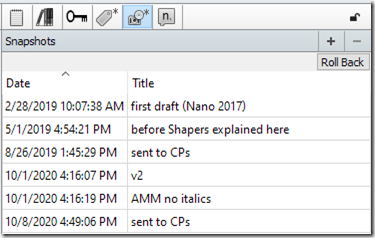
The whole project is automatically backed up locally (by default, whenever you close the app), and I save the project to OneDrive so that it’s also backed up in the cloud (Google Drive and DropBox, etc., would work the same). But what I love most is being able to capture and label specific versions of scenes, especially as I’m drafting. Never lose a great idea again! You can view or roll back to a snapshot at any time.

a screenshot from Scrivener of 6 dated and labeled drafts of a scene
an example of snapshots from a scene I’ve edited a lot

5. Scrivener loves Nano!

The free Scrivener trial is 30 days (not consecutive calendar days, either, but 30 days of use!). Participants get a discount to buy it at the end, and winners get an even bigger one. Give it a try! And feel free to tweet me @AbigailFair if you have any questions. I have a lot of experience with both Word and Scrivener! (Albeit mostly on Windows.)

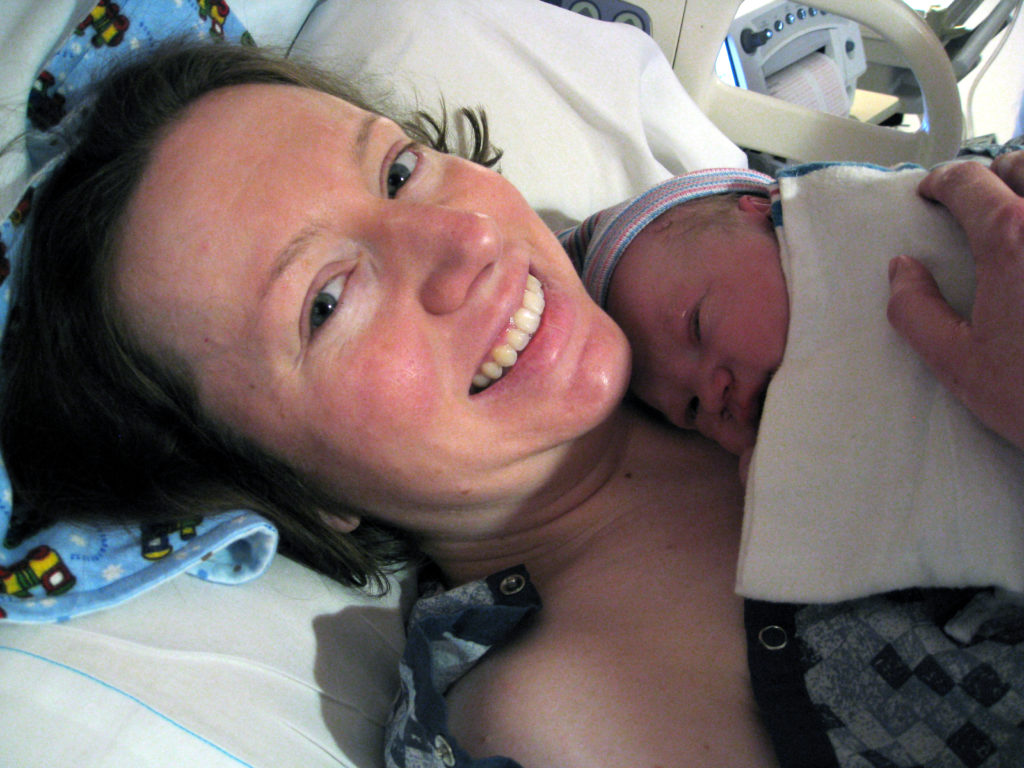
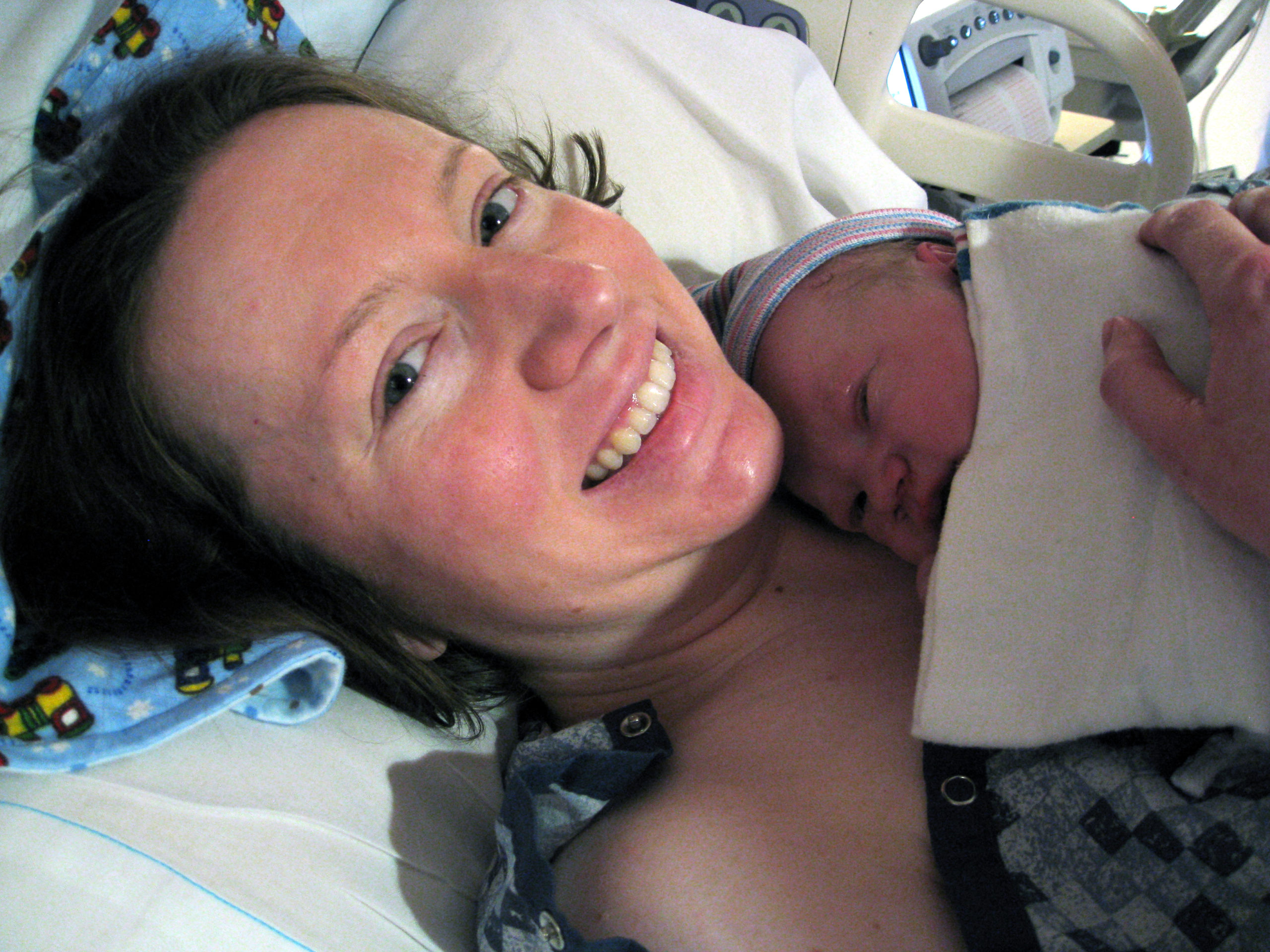
a picture of me and my newborn son

Why Birth Justice Matters to Me (#1)

Posted on October 31, 2020October 31, 2020 by Abigail Welborn

My parents watched anxiously from the waiting room at the end of the hall as a cadre of hospital staff in scrubs trooped into my labor and delivery room.

Inside the room it was less scary, but of course, I knew what was going on. The doctor had diagnosed that baby’s head was turned to the side, so his “progress through the birth canal was impeded.” In other words, he was stuck. After an hour of pushing, I needed intervention.

The doctor recommended a vacuum-assisted delivery. Pro: no C-section. Con: you get one contraction. One. Chance. My husband and I agreed that we should try, but we still had to wait for the operating room to clear—because if you don’t get the baby out, you need an emergency C-section!

Any time a birth requires medical intervention, a bunch of people come in the room just in case, hence the parade my parents witnessed. Happily, baby came out (I am so glad I had an epidural for that part) and was pronounced healthy, and I was holding him before I knew it!

Birth #1 successful!

My mom says that as the staff filed out again, one of them gave her a thumbs-up and said everything was fine. I suspect they can spot an anxious about-to-be-grandma when they see one!

Proud Granny

Now, let’s count the ways in which I was fortunate:

  • prenatal care at an OB/GYN clinic associated with a top-ranked hospital
  • advanced, dedicated maternity center
  • multiple ultrasounds before and during birth
  • birth classes and hospital tour ahead of time (familiarity)
  • private room with a bed that can be rolled straight to the O.R. if needed
  • NICU available
  • medical interventions available and reliable
  • great insurance

I want all women to have access to as many of those birthing privileges as possible. Every Mother Counts is an organization dedicated to increasing access to maternity care in America and around the world. In conjunction with NaNoWriMo (National Novel Writing Month) and the Mighty Pens, a group of writers, I’m raising money for EMC’s Birth Justice fund during the month of November. I know you might not be in a position to give (2020!), and that’s OK! I just wanted to share why the issue of birth justice is so important to me. But if you want to contribute to this great cause, I hope you’ll join me!

How learning story structure helps me write faster

Posted on November 6, 2017November 5, 2017 by Abigail Welborn

I last participated in NaNoWriMo in 2010. Since then, I’ve had two kids, quit my job, and rewritten my novel twice. Along the way, I picked up quite a bit about story structure and am now a reformed pantser (although no one is ever only a plotter or a pantser, many lean far to one side of the spectrum or the other).

Given my love of plotting, then, I didn’t know if I’d ever participate in Nano again. However, I was sufficiently motivated this year, and I’m loving it! And what I love most is how the years of studying story structure are paying dividends in a decidedly write-by-the-seat-of-your-pants month.

Before I learned structure, when I got stuck, I’d ask myself, “What do I want to happen next?” Or maybe even, “What should happen next?” But since I didn’t know anything about that should, I just brainstormed until I came up with a good idea (or any idea).

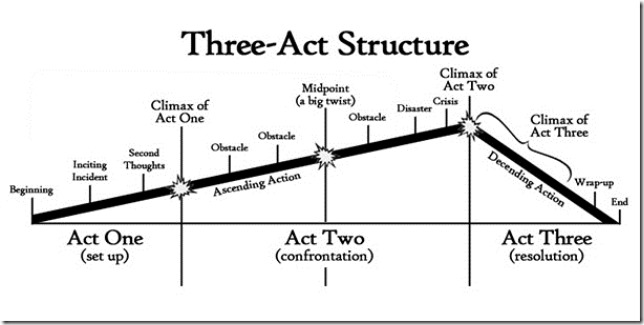
ThreeActStructure_small
https://www.gamasutra.com/blogs/JuliusKuschke/20130909/199869/Aristotle_was_not_a_Game_Designer.php

Now, when I want to know what should happen next, I just have to position myself within the framework of structure. “What should happen next? Well, I’ve just passed the call to adventure/inciting event, so now I need to work toward a First Plot Point that will change everything, oh yeah, and reveal the antagonist’s power and/or plan, and force my main character to make a decision to enter the Adventure World.” (Sometimes I even write sentences exactly like that in my brainstorming! Because it’s hard to hold everything there is to know about the First Plot Point in my head all at once.) That is a much easier question to brainstorm an answer for, because structure gives me criteria—a way to judge how good ideas are.

Usually by the time I hit on an idea that meets all those criteria, it’s plenty good enough to roll with! It might take slightly longer to get to that idea than to come up with an answer to my old, more generic questions, but the difference is that I know the specific question will lead me to an answer that won’t paint me into a corner and will leave me with something more novel-shaped at the end. That saves me time both in November and in my future edits!

I cannot recommend K.M. Weiland’s site highly enough. She will kindly and gently lure you into plotting (even if you still like to pants the heck out of the first draft and just apply structure in editing). For a quick rundown (with way more depth available), check out her everything checklist!

P.S. You can support girls’ education and motivate me to finish Nanowrimo this year by donating to the Malala Fund!

Words for a Cause

Posted on November 1, 2017November 1, 2017 by Abigail Welborn

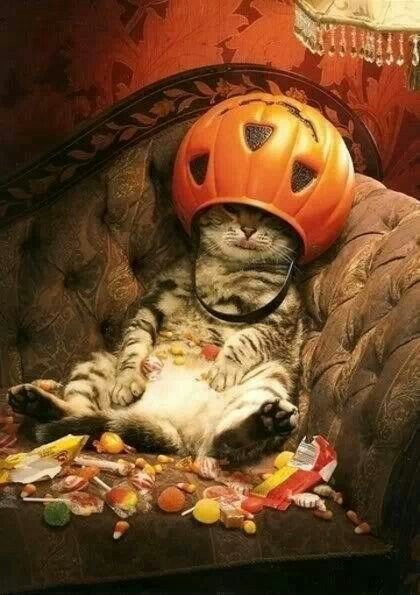
candy hangoverHappy November, everyone! For writers, the day after Halloween brings not just a candy hangover but the beginning of National Novel Writing Month, or NaNoWriMo for short. Those who sign up attempt to write a whole novel during the month of November. (The target of 50,000 words is technically a little shorter than most novels, but still a lofty goal for 30 days.) “Wrimos” who participate in “Nano” get pep talks from published authors, organize community “write-ins” where authors gather to motivate (and sometimes distract) one another, and provide plenty of accountability and camaraderie to keep going to the finish line.

I wasn’t planning to join this year, but then author Susan Dennard announced The Mighty Pens, a team of writers who want to use their words for good. That got me thinking. My book is in a slower editing/querying phase, plus I’ve never tried working on multiple projects at once, a skill that I’ll need if I make a career out of this writing thing. “Just to see,” I started to brainstorm an idea that’s been percolating in my head since May, and that multiplied into many ideas that seem almost novel-shaped.

So I decided to throw my hat into the ring! (more like the three-ring circus…) We’re raising money for the Malala Fund to support girls’ education. You sponsor me, I get motivated to keep going, the Mighty Pens authors (including me) qualify to to win prizes, the and the Malala Fund helps girls all over the world get the education they need to secure a better future. It’s win-win-win-win! Winning all around!

You can make a one-time donation now or follow my progress (I’ll be posting it on Twitter, my Wrimo page, and Facebook, in descending order of likely frequency) and donate anytime in November, such as when I reach word-count milestones. A pledge of 0.1¢/word would be just $50 if I reach my Nano goal. My fundraising goal is $500, or 10 people pledging less than a penny a word! (To be fair, these are cheap first-draft words, but it’s a “real” story with structure and everything.)

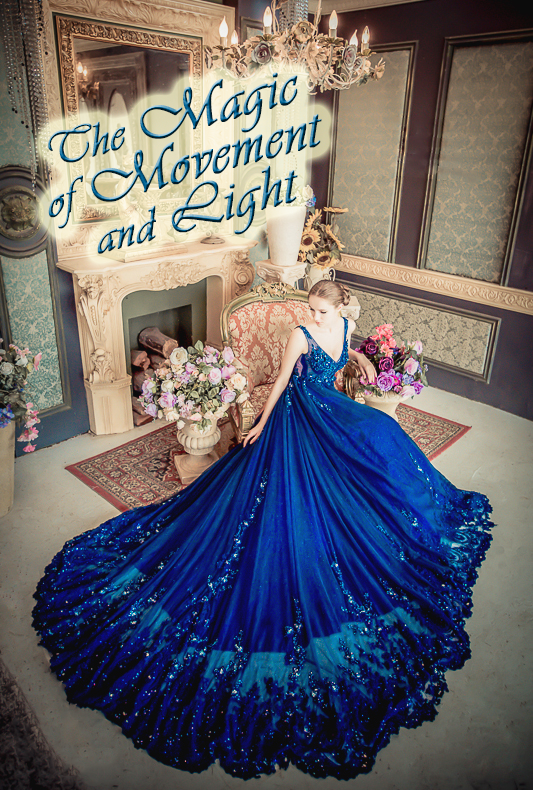
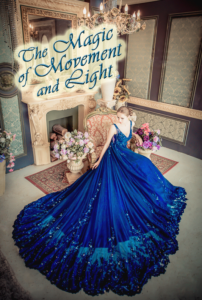
I’ll also share story-related bonuses with you as I reach fundraising milestones, like a novel aesthetic or snippets of prose. Stay tuned for surveys on what people want. For now, here’s my inspirational book “cover.”

The Magic of Movement and Light
This is what happens when someone with no design skills uses Photoshop. (Photo credit.)

  • Bluesky
  • Instagram

Latest Thoughts

  • Why We Need WNDB
  • What the world needs now
  • Are you ready to be a mentee?
  • Why Maternal Health Matters to Me (#2)
  • Why Scrivener is great for Nanowrimo

Categories

Word Association

AMM author life bio birth story business of writing caffeinateme career controversies copyedit me craft creative process deadline editing excel formatting freedom goals grammar inspiration LOTR market Mary Pearson meta Microsoft Word Mighty Pens NaNoWriMo never give up panic pitching PitchWars pnwa60 productivity querying retreat retrospective; RevPit Scrivener setting star wars story structure technology the ONE thing treaddesk WNDB word count

Meta

  • Log in
  • Entries feed
  • Comments feed
  • WordPress.org
© 2026 Abigail Welborn | Powered by Minimalist Blog WordPress Theme